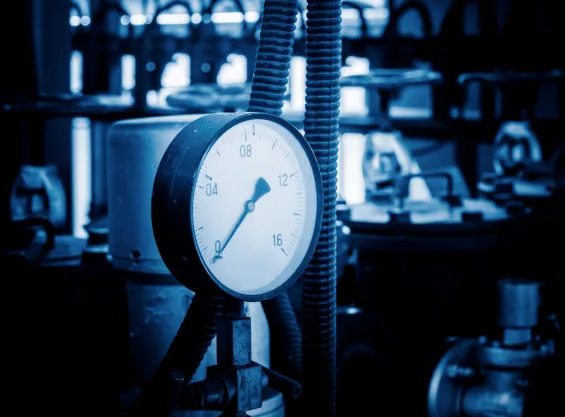
Efficient gas processing is essential for ensuring product quality, operational reliability, regulatory compliance, and safe field operations. This course equips participants with the knowledge and practical skills required to understand natural gas processing systems, gas conditioning technologies, separation processes, dehydration, sweetening, troubleshooting, and operational best practices for modern gas processing facilities.
Oil and Gas
Efficient Gas Processing and Conditioning for Field Engineers
Efficient gas processing is essential for ensuring product quality, operational reliability, regulatory compliance, and safe field operations. This course equips participants with the knowledge and practical skills required to understand natural gas processing systems, gas conditioning technologies, separation processes, dehydration, sweetening, troubleshooting, and operational best practices for modern gas processing facilities.
Upcoming dates
Classroom
| Start date | End date | Location | Fee | Registration |
|---|---|---|---|---|
| Amsterdam - Netherlands |
€1,900 + VAT
|
→ | ||
| London - United Kingdom |
€2,100 + VAT
|
→ | ||
| Istanbul - Türkiye |
€1,400 + VAT
|
→ | ||
| Vienna - Austria |
€2,250 + VAT
|
→ | ||
| Barcelona - Spain |
€1,600 + VAT
|
→ | ||
| Paris - France |
€2,250 + VAT
|
→ | ||
| Frankfurt - Germany |
€1,700 + VAT
|
→ | ||
| Barcelona - Spain |
€1,600 + VAT
|
→ |
- Understand the principles of natural gas processing and conditioning
- Operate and optimize gas separation and treatment systems
- Apply gas dehydration and sweetening technologies effectively
- Identify and resolve common operational challenges in gas processing plants
- Improve plant efficiency, reliability, and product quality
- Apply safety, environmental, and risk management principles in gas facilities
- Strengthen troubleshooting and operational decision-making skills
This program is intended for professionals involved in Oil and Gas.
- Field engineers
- Process engineers
- Production engineers
- Operations supervisors
- Gas plant operators
- Maintenance engineers
- Oil and gas professionals involved in gas processing facilities
The course combines technical presentations, process simulations, engineering calculations, case studies, practical workshops, troubleshooting exercises, and real-world gas processing scenarios to strengthen participants' operational and technical capabilities.
Day1
Fundamentals of Natural Gas Processing
- Understanding natural gas production, processing, and field operations
- Reviewing the physical and chemical properties of natural gas
- Understanding gas production systems and multiphase flow behavior
- Identifying common gas contaminants and their operational impacts
- Evaluating gas quality specifications, heating value, and commercial requirements
- Reviewing natural gas liquids, liquefied petroleum gas, and gas-to-liquids processes
- Understanding plant startup procedures and operating conditions under normal and abnormal scenarios
Day2
Gas Separation Systems and Process Instrumentation
- Understanding the principles of gas-liquid separation in processing facilities
- Reviewing separator configurations and selection criteria for field applications
- Evaluating key operating parameters affecting separator performance
- Understanding instrumentation, control systems, and process monitoring techniques
- Applying control valves, actuators, and measurement systems in gas processing operations
- Integrating automation and process control into daily plant operations
- Planning safe startup, shutdown, and operational activities
Day3
Gas Contaminant Management and Hydrate Prevention
- Understanding mercury contamination sources and operational risks
- Reviewing technologies for mercury removal and process protection
- Understanding hydrate formation mechanisms and operating conditions
- Applying hydrate prevention and mitigation strategies during gas processing
- Estimating water content and controlling hydrocarbon dew points
- Reviewing the principles and applications of gas dehydration technologies
Day4
Gas Dehydration and Natural Gas Liquids Recovery
- Understanding glycol dehydration processes and system operation
- Reviewing the function of major dehydration equipment and process flow arrangements
- Identifying operating conditions that affect dehydration performance and efficiency
- Troubleshooting common operational problems within glycol dehydration units
- Understanding heavy hydrocarbon recovery and refrigeration processes
- Reviewing condensate stabilization techniques and cryogenic processing fundamentals
- Understanding natural gas liquids recovery and product optimization strategies
Day5
Gas Sweetening, Troubleshooting, and Operational Excellence
- Understanding acid gas removal principles and gas quality requirements
- Reviewing amine treating systems, membrane technologies, and gas sweetening processes
- Applying structured troubleshooting techniques to gas processing operations
- Managing abnormal operating conditions and process upsets effectively
- Understanding operational risk management within gas processing facilities
- Evaluating the impact of maintenance activities on plant reliability and performance
- Applying environmental protection, process safety, and quality management principles
- Final workshop: Integrated gas processing case studies, troubleshooting exercises, and operational best practices
SPARK Training Certificate of Completion is awarded to participants who attend and complete the full training course.
Explore this topic
Related Training Courses
Oil and Gas

Accounting and Finance in Oil and Gas Industry
Oil and Gas
Advanced Refinery Process Yields Optimization
Oil and Gas
Amine Gas Sweetening and Sulphur Recovery
Oil and Gas